Bathroom accessories do more than decorate a space. They organize daily routines, protect surfaces, and elevate the overall feel of a bathroom. With a thoughtful approach to selection, you can achieve a cohesive look that also stands up to humidity, frequent use, and family life. This guide explains how to choose, install, and care for bathroom accessories with an emphasis on durability, style, and value.
Understanding bathroom accessories
Bathroom accessories are the small, essential items that support everyday tasks—from drying hands to storing toiletries. Good pieces balance form and function, resisting corrosion, tarnish, and moisture while complementing your decor. A well chosen set reduces clutter, simplifies routines, and protects fixtures and finishes from wear.
Key categories
- Towel bars, rings, and hooks
- Toilet paper holders and tissue dispensers
- Soap dispensers and soap dishes
- Toothbrush holders and vanity organizers
- Shower caddies and shelving
- Mirrors, including vanity lights and anti-fog options
- Storage baskets and wall-mounted cabinets
Each category serves a practical purpose, but the best choice stems from your space, budget, and preferred style. When selecting, consider how pieces will be grouped, how they will be mounted, and how easy they are to clean and maintain.
Materials and finishes
Durability and appearance start with material. Common options include stainless steel, solid brass, high-quality plastics, and ceramic composites. Finishes range from polished chrome and brushed nickel to matte black and bronze. In damp environments, corrosion resistance and easy cleaning are key. Brass and stainless steel often offer longevity, while resin and ceramic can provide distinctive aesthetics at lower cost.
Style and space planning
Style should harmonize with faucets, hardware, and cabinetry. A minimal bathroom benefits from concealed or simple accessories, while a luxe or traditional bathroom can support ornate details and warmer metal tones. For small bathrooms, wall-mounted accessories free up counter space and reduce clutter. Always measure available depth and clearance: ensure towel bars won’t touch the toilet lid, and that toothbrush holders won’t crowd the sink area.
How to choose by space and function
Size, activity levels, and cleaning routines influence which accessories to buy. Families with children may prioritize easy-to-clean finishes and robust mounting. Renters might prefer adjustable or removable hardware. For master or guest bathrooms, invest in pieces that feel premium but still offer practicality. Pair finishes across items to create a cohesive look and consider moisture resistance, warranty terms, and the availability of replacement parts.
Material options at a glance
| Material | Pros | Cons | Best For |
|---|---|---|---|
| Stainless steel | Durable, corrosion resistant, easy to sanitize | Can show water spots without regular care | Modern, high-traffic bathrooms |
| Solid brass | Premium feel, excellent corrosion resistance, lasting finish | Higher cost, may patina with age | Lounging, traditional, or luxury decors |
| Resin/plastic | Affordable, lightweight, varied colors | Less durable over time, may crack | Budget-friendly or seasonal updates |
| Ceramic | Clean look, easy to wipe, anti-bacterial | Brittle if dropped, limited finish options | Classic or vintage-inspired spaces |
Maintenance and care
To extend life and maintain appearance, wipe fittings after use, dry surfaces to minimize water spots, and follow finish-specific care guides. For stainless steel or brass, use mild soap and water; avoid abrasive cleaners that could dull finishes. Regularly check mounting screws and wall anchors, especially in high-traffic bathrooms. A small, proactive maintenance routine prevents rust, tarnish, and loosening hardware, preserving both safety and aesthetics.
Expert tips for building trust and authority
As a seasoned professional, I recommend prioritizing quality over quantity. Look for asymmetrical alignment, sturdy anchors, and components with warranties that cover moisture exposure. Choose reputable brands, verify materials, and request care instructions. Document measurements and keep order numbers in case replacements are needed. A well-planned set of bathroom accessories communicates attention to detail, practical knowledge, and a commitment to long-term value, which reinforces consumer trust and satisfaction.
Style guides and inspirational ideas
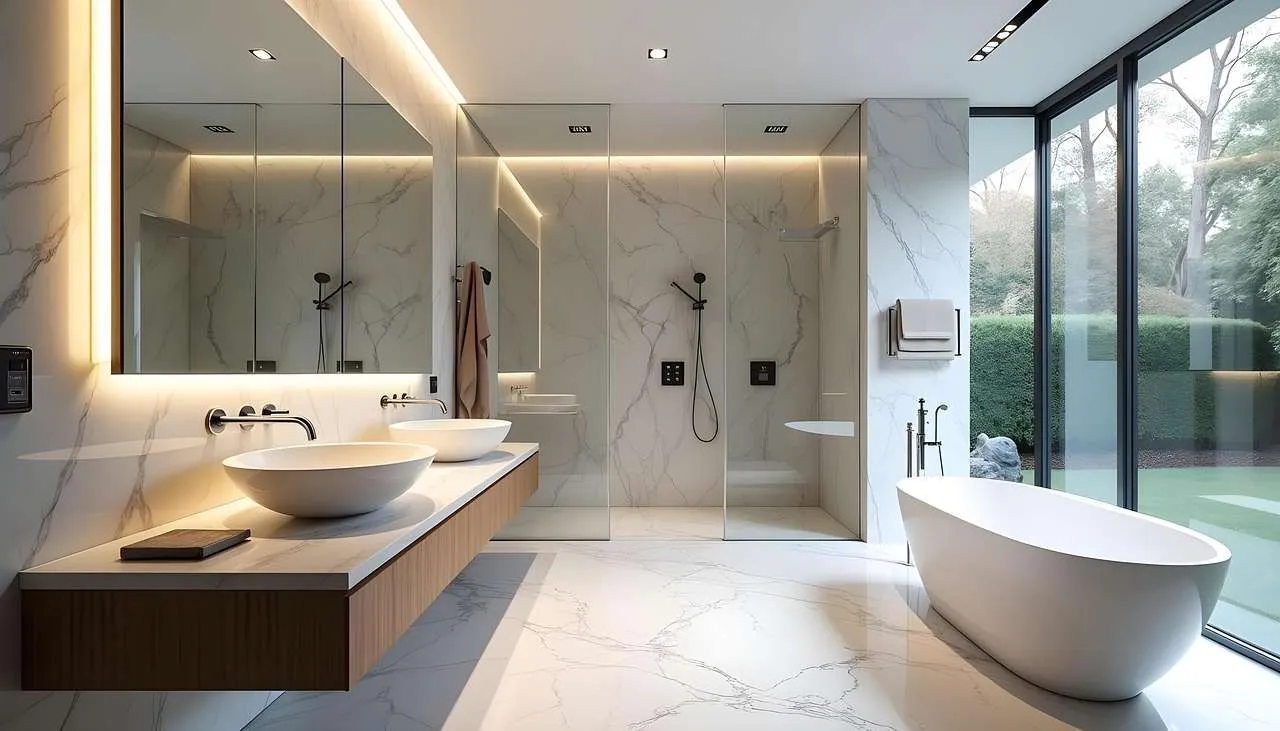
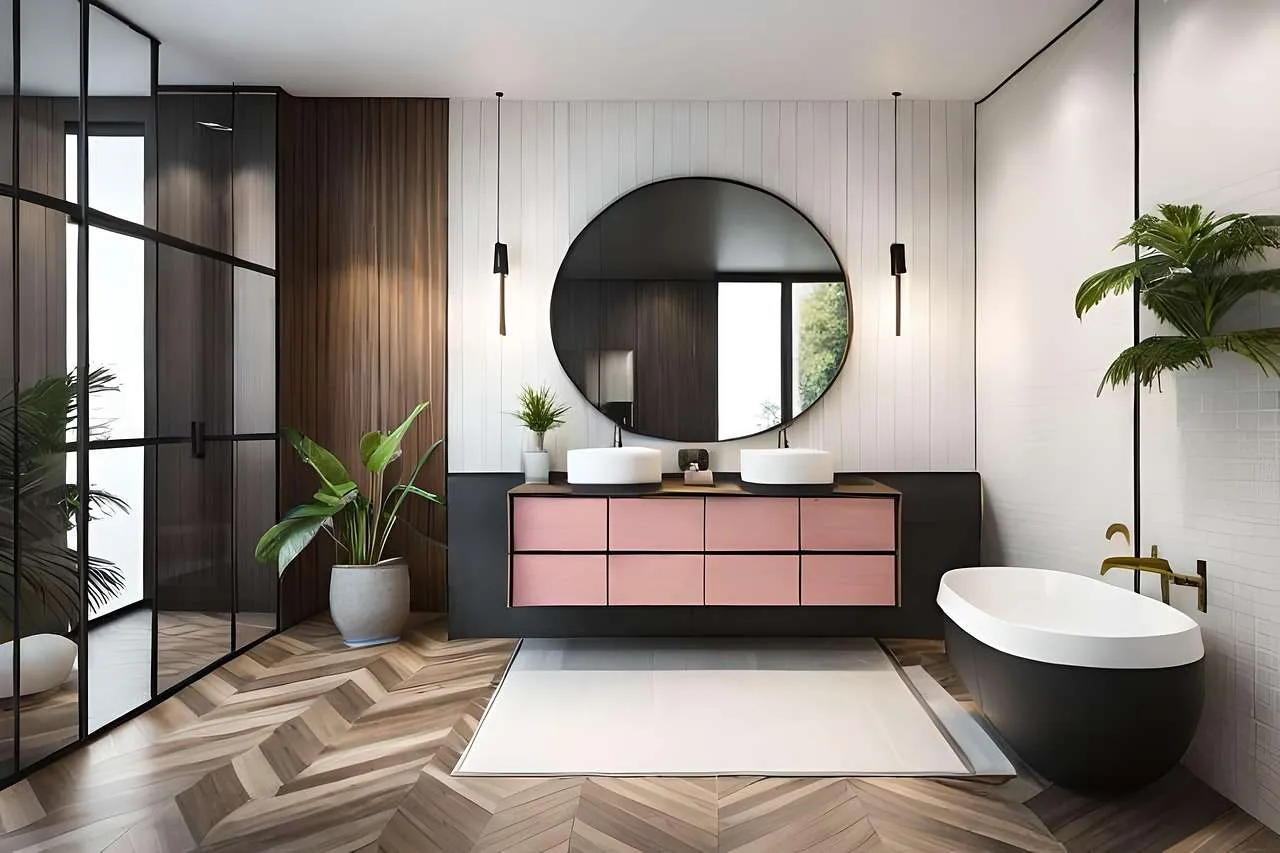
Modern bathrooms shine with clean lines, hidden storage, and stainless steel or matte black hardware. Traditional bathrooms benefit from warm metals like bronze or brass and rounded shapes. For coastal or spa-inspired spaces, opt for light tones, ceramic or glass accessories, and soft textures. Always ensure that the chosen pieces support both daily routines and the overall design narrative of the room.
Conclusion and quick reference
Conclusion, selecting bathroom accessories involves balancing durability, aesthetics, and ease of use. Start with core pieces in foundational finishes, then layer in style through complementary textures and coordinated hardware. Measure carefully, choose moisture-resistant materials, and maintain regularly to preserve functionality and beauty over time.
Summary: A thoughtful set of bathroom accessories enhances organization, protects surfaces, and elevates your bathroom’s design. Prioritize durable materials, cohesive finishes, proper installation, and simple maintenance to achieve a space that is both functional and inviting.